How to Choose the Right City Tour in Barcelona
Choosing among city tours barcelona takes more than scanning a list of famous stops. Barcelona is compact in places, steep in others, and easy to misread if you only look at a map. A tour that suits one visitor may feel rushed, too crowded, or too narrow for another. The best choice depends on how you want to move, what you want to understand, and how much free time you want around the main sights.
Start with the shape of your day before you compare any specific tour. Think in terms of time, energy, interest, and meeting points. That simple ordering makes the options easier to judge, and it helps you avoid booking something that looks impressive but does not fit your plans.
Decide what you want from the day
Write down the main reason you want a tour. Some people want a clean first look at Gothic Barcelona, with lanes, plazas, and old buildings explained in context. Others care more about Gaudi, modernisme, food, street art, or the waterfront. A general introduction covers a lot of ground, while a themed tour gives deeper detail in a smaller area.
Watch for vague descriptions that promise "the best of Barcelona" without saying which places are included. Good wording names the neighbourhoods, landmarks, or themes clearly. If architecture matters most, look for an itinerary that gives real time to Sagrada Familia, Park Guell, Casa Batllo, or La Pedrera. If history matters most, look for the old city, the port area, and the layers of Roman and medieval Barcelona.
Also decide whether you want a tour mainly for facts or for orientation. A route that gives you confidence to return later can be more useful than one that fills every minute with dates. City Tour in Barcelona is one name that may come up while you compare options, but the name alone should not replace a careful look at the route and style.

Set a realistic time budget
Next, work out how much time you can give the tour without squeezing the rest of your day. Barcelona rewards wandering, and the best visits often leave space for a coffee, a market, or a slow walk back through a neighbourhood. A tour that runs long can break up lunch plans, hotel check in, or an evening booking.
Check the stated duration and ask what it includes. Does the clock cover only the guided walk, or does it include entry lines, interior visits, and breaks? Watch for tight schedules that list many famous sights in a short window. That can work as an overview, but it leaves little room for questions, photos, or the simple pleasure of standing somewhere interesting.
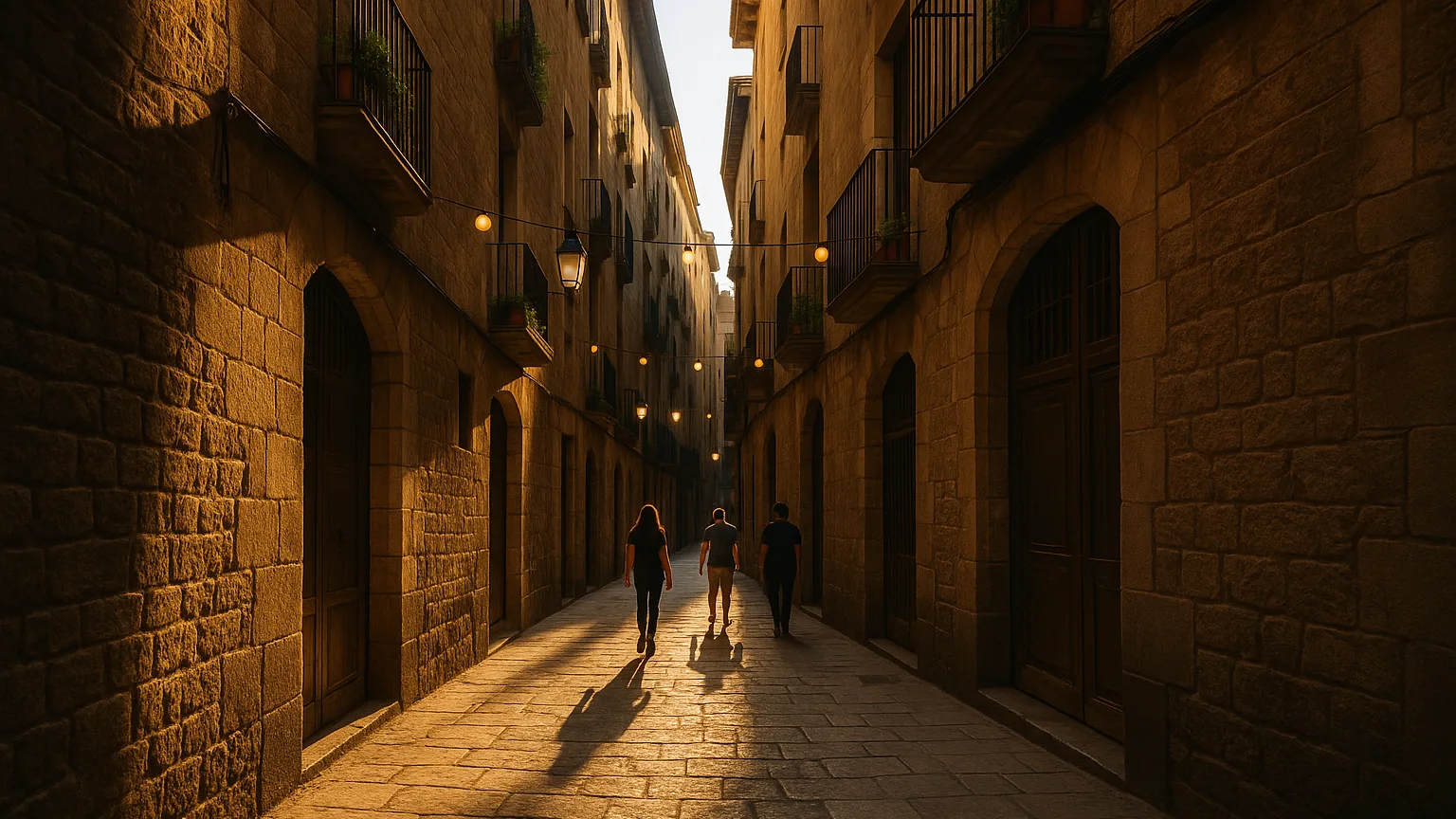
Think about the pace as well as the length. The Gothic Quarter has narrow lanes and uneven paving. Park Guell involves slopes and steps. A route that crosses several districts can include hills and long stretches in the sun. If your group includes children, older travellers, or anyone who needs a steadier pace, choose a route with fewer transitions and clearer rest points.
Compare the route, not just the headline
Once you know your time and pace, compare routes in detail. A useful itinerary reads like a path you can picture. It tells you where the tour begins, which areas it crosses, and where it ends. That matters because a convenient finish near a metro stop, your hotel area, or your next booking can save a surprising amount of effort.
Look at how the stops connect. A route that jumps from one side of the city to another may spend too much time in transit. A walk through El Born and the Gothic Quarter can feel smooth because the streets link naturally. A route combining Park Guell, Sagrada Familia, and the old city can work, but only if timing and transport are handled well.
Check whether interior visits are part of the plan. Entry to major attractions can shape the whole day, and some places require timed admission. If the tour includes interiors, the details should say what is included and what is not. If it stays outside, that can still be valuable, but the expectation should be clear from the start.
Match the guide style to your group
The same route can feel very different depending on the guide. Some tours are lecture style, with a steady stream of facts. Others leave room for questions, local context, and short pauses. Neither approach is wrong, but one will suit you better.
If you are travelling with people who like stories and discussion, look for language that mentions conversation or small groups. If you prefer a clear narrative with little interruption, a more structured tour may fit. Groups also change the experience. Larger groups can move more slowly at busy sights and make it harder to hear near the back. Smaller groups often feel more flexible, though they may still move at a set pace.
Language is another practical point. Confirm the language of the tour, not just the language of the booking page. If you need another language, check before you commit. It is also worth checking how the guide handles mixed ability groups, since some visitors know little about Barcelona while others arrive with a strong interest in architecture or history.
Check meeting details before you book
Many tour problems begin with a simple mismatch at the start point. Read the meeting instructions closely. A plaza can have several corners, and a popular landmark may be crowded. Choose a tour with a meeting point you can identify on a map, ideally near a metro stop or a recognisable entrance.
Work out how you will get there and how early you need to arrive. Barcelona streets can be busy, and a short metro ride can still involve walking, stairs, or a change of line. If you are staying outside the centre, check the travel time before selecting a morning start. A tour is easier to enjoy when you are not arriving flustered.
Also check what happens if plans change. Clear terms on changes, cancellations, and late arrival help you understand your options. This is not about expecting trouble. It is about knowing where you stand when flights shift, weather turns, or a child needs a break.
Read recent feedback with a critical eye
Reviews can help, but they need careful reading. Look for comments about pace, clarity, group size, meeting points, and how the guide handled busy areas. Those details say more than a simple rating. Repeated comments about confusion at the start or too little time at key stops are worth noticing.
At the same time, treat one dramatic review with caution. Tours change by date, route, guide, and group. A complaint about heat, crowds, or a delayed entry may say little about the usual experience. Patterns matter more than isolated opinions. The most useful feedback often describes what happened in practical terms, such as "the walk ended near the metro" or "there was time to ask questions at each stop".
When you narrow the choice, compare two or three options side by side. Put the route, duration, language, group size, start point, and inclusions in plain view. This keeps the decision grounded. City Tour in Barcelona can sit among those options as a name to consider, with the final choice based on the details that affect your day.
Make the choice that leaves room for the city
A good tour should open Barcelona up rather than close it down. Leave some time after the route for the areas that caught your attention. If a lane, a courtyard, or a cafe window stands out, the day should allow you to return. That is often where a city becomes memorable.
Before you confirm, run through a final set of questions. Does the route match your interests? Is the pace realistic for your group? Are the meeting point and finish point convenient? Do the inclusions match what you expect to see? Are the terms clear? If the answers feel solid, the tour is likely to fit.
Choosing city tours barcelona is mainly an exercise in fit. Define your purpose, protect your time, study the route, match the style, and check the practical details. When those pieces line up, the tour becomes a useful frame for the city rather than a schedule you have to survive.